
Why Muscle Matters as We Age: The Science of Maintaining Strength, Independence, and Mobility
Strong, healthy muscles play a huge role in staying active, confident, and able to enjoy daily life.
Muscles help us move smoothly, stay steady on our feet, and keep up with the activities that bring joy and independence. Looking after muscle health is therefore one of the most powerful ways to support wellbeing as the years pass.
Below, we’ve shared practical advice from Professor Leigh Breen, Diabetes Research Centre, University of Leicester, on supporting muscle health as we get older.

Understanding Muscle Changes as We Get Older
Most people don’t realise that the body naturally starts to lose small amounts of muscle from early adulthood. This gradual process is sometimes called sarcopenia, which simply means “age‑related muscle loss.” These changes happen slowly, and many adults only notice them when everyday tasks begin to feel more effortful.
Muscles work a bit like a savings account: regular deposits through movement and good nutrition help maintain a healthy balance. When muscle levels drop, activities such as getting up from the sofa, carrying shopping, or climbing stairs can take more effort than before.
These shifts are a normal part of life, but they also highlight just how valuable strong muscles are for staying mobile and independent.
Muscle Support Starts Earlier Than People Expect
Muscle health is influenced by daily habits long before we feel any difference. Busy schedules, sedentary jobs, changes in appetite, and lower activity levels all add up over time. Recognising this early gives every adult the chance to build and protect muscle long before it becomes a challenge.
Supporting muscle health in midlife creates a strong foundation for later years. A small amount of regular resistance exercise; things like using light weights, resistance bands, or even body‑weight movements, helps muscles stay responsive and strong.


Nutrition: A Key Ingredient for Healthy Muscles
Food plays a major role in muscle maintenance.
Muscles rely on protein to repair, strengthen, and renew themselves. As we age, the body becomes slightly less efficient at using the protein we eat, which means older adults benefit from a steady supply of high‑quality protein across the day.
Meals that include sources such as chicken, fish, eggs, beans, yoghurt, or tofu help support strong muscles. Pairing protein with colourful vegetables, wholegrains, and healthy fats completes a nourishing, balanced plate. Hydration, vitamin D, and omega‑3 fats also play helpful supporting roles.
How Balanced Protein Ready Meals Can Provide Support
Preparing meals isn’t always easy, especially for those with busy lives, reduced appetite, limited time, or fluctuating energy levels.
Ready meals that are thoughtfully designed with balanced nutrition and meaningful amounts of protein can be a practical way to stay on track. A meal containing around 25–30 grams of protein gives muscles what they need to repair and stay strong.
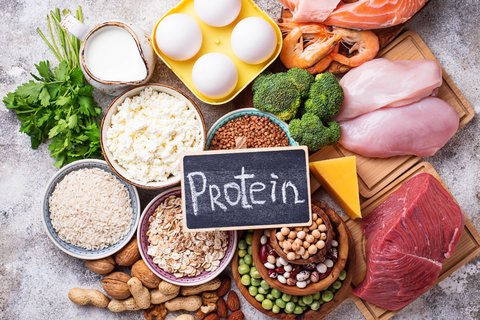
Convenient, well‑balanced ready meals remove the effort of planning, shopping, and cooking, while still helping adults meet their daily protein needs. Adding simple snacks, such as yoghurt, nuts, or a glass of milk, helps spread protein intake evenly throughout the day.
Our High-Protein Meal Box brings this advice to life, with a selection of 12 high protein customer favourites, making it simple to enjoy nutritious, protein-rich meals with less fuss.
Published 11 aug 2026