
Shorter Days, Stronger You: Embracing Autumn Activity

By Professor Leigh Breen, Diabetes Research Centre, University of Leicester.
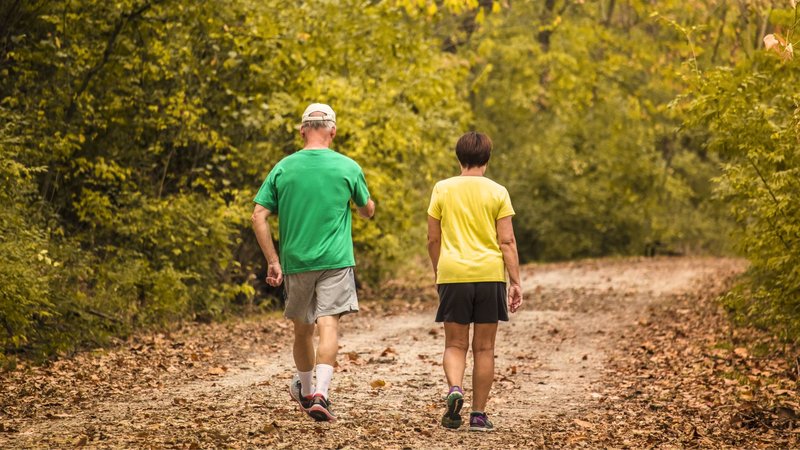
As autumn rolls in and the days get shorter, it’s easy to lose motivation to stay active. Cooler weather, less sunlight, and changes in our daily routines can leave us feeling more tired and less interested in exercise. You might notice your sleep or mood is affected by the lack of sunlight, and that can make it harder to find the energy to move. At the same time, friends may not be available to walk or exercise together, and outdoor or group activities often slow down or stop.
But staying active is important—especially during the cooler months. When we move less, we’re more likely to feel down, gain weight, and see a drop in heart health and energy levels. It can also increase the risk of long-term health problems like diabetes or depression.
The good news? There are easy, enjoyable ways to keep moving all season long:
Move Indoors:
- Try indoor walking, yoga, strength training, or online fitness classes.
- Use simple equipment like resistance bands or light weights at home.
Take Advantage of Daylight:
- Exercise during daylight hours—late morning or early afternoon—to boost mood and make use of natural light.
- Shorter, more frequent sessions (e.g., two 15-minute walks) can be just as effective, particularly if you increase the level of effort.
Stay Connected:
- Join a local group or community centre class.
- Schedule regular movement with a friend or walking buddy—in person or virtually—for motivation.
Set Realistic Goals:
- Aim for consistency over intensity: even light daily movement has major health benefits. Something is better than nothing!
- Use a journal or app to track your progress and stay accountable.
Make it Fun and Routine:
- Choose activities you enjoy—like dancing, gardening, or stretching to music.
- Anchor exercise to existing habits (e.g. stretching after morning coffee or walking after lunch).
Professor Leigh Breen PhD, FHEA, FECSS is Professor of Translational Physiology at Leicester Diabetes Centre. His research includes sarcopenia, the age-related loss of muscle. He has also featured on the Doctor's Kitchen Podcast to discuss the importance of exercise for older adults.
Support your active lifestyle with our curated Meal Plans here.