
Caring Through Movement: Empowering Loved Ones to Stay Active

By Professor Leigh Breen, Diabetes Research Centre, University of Leicester.
Do You Support a Loved One Day-to-Day?
In the UK, over 10.6 million people provide unpaid support to someone close, helping with daily tasks, managing medications, offering emotional support, or simply being present. Many don’t identify as “carers,” yet their role is essential. If you regularly assist a family member, friend, or neighbour with cooking, shopping, appointments, or staying active, you’re part of a community making a meaningful impact - often without formal recognition.
One powerful way to support both physical and emotional wellbeing is by encouraging regular movement. Whether you're helping someone with diabetes, mobility issues, or age-related conditions, physical activity can be transformative.
Why Movement Matters
Physical activity helps maintain muscle strength, joint flexibility, cardiovascular health, and blood glucose control. It also supports mental wellbeing, reducing stress, anxiety, and symptoms of depression. For people living with long-term conditions, even light activity can improve energy levels and independence.
Simple Ways to Get Started:
You don't need a gym membership or specialist equipment. Here are a few accessible ideas:
- Walk together: A short daily walk, even around the house or garden, can boost circulation and mood.
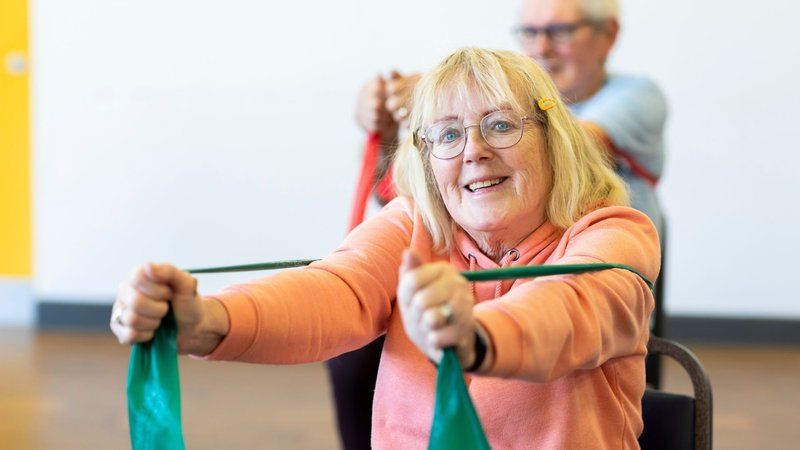
- Chair-based exercises: These are ideal for those with limited mobility and can be done safely at home.
- Stretching routines: Gentle stretches help maintain flexibility and reduce stiffness.
- Household tasks: Light chores like tidying, cooking, or gardening count as physical activity and promote a sense of purpose.
Your Supporting Role
Your encouragement and involvement can make all the difference. You can:
- Lead by example: Join in the activity to make it social and enjoyable.
- Set achievable goals: Celebrate small wins, like completing a 10-minute walk or trying a new movement.
- Adapt to their needs: Be mindful of pain, fatigue, or emotional barriers. Choose activities that feel safe and positive.
- Use resources: Many local councils and charities offer free or low-cost activity guides, online videos, or community classes tailored to different abilities.
Staying Motivated Together:
Routine and variety help keep things interesting. Try scheduling activity at the same time each day or mixing up the type of movement. Music, conversation, or even a shared goal, like preparing for a local walk, can add motivation.
Final Thoughts:
Supporting someone through physical activity doesn’t mean pushing them, it means walking alongside them, literally and figuratively. Your care, patience, and encouragement can help them rediscover confidence, strength, and joy in movement. And as their health and independence improve, you may also experience the benefits - reduced stress, improved wellbeing, and a deeper emotional connection through shared progress.
Professor Leigh Breen PhD, FHEA, FECSS is Professor of Translational Physiology at Leicester Diabetes Centre. His research includes sarcopenia, the age-related loss of muscle. He has also featured on the Doctor's Kitchen Podcast to discuss the importance of exercise for older adults.
Support an active lifestyle with our curated Meal Boxes here.